Why the Era of the Perfectly Polished Brand Is Finally Over
The Gloss Is Gone
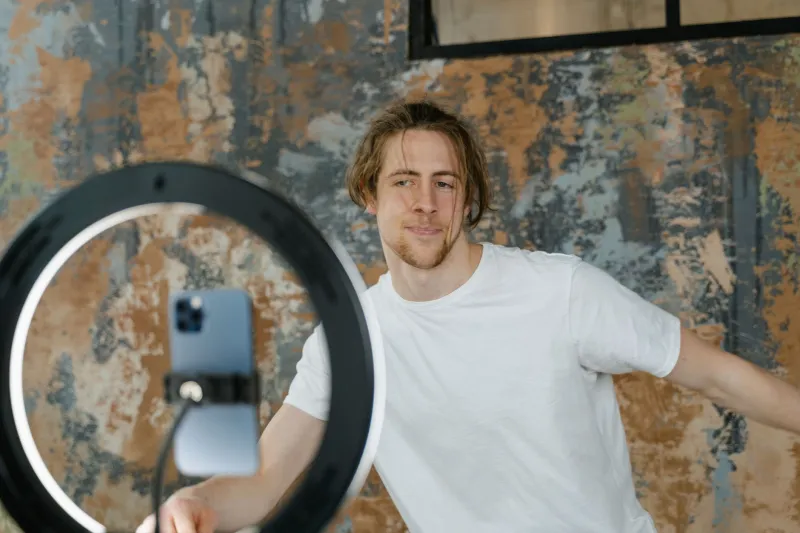
Remember when a brand's Instagram grid had to look like it was designed by a team of twelve? When every influencer partnership came with a script, a ring light, and a disclosure buried so deep in the caption you needed a magnifying glass to find it? That era isn't just fading—it's actively being punished by audiences who've developed an almost preternatural ability to detect inauthenticity.
Something fundamental changed in how Americans consume entertainment and branded content, and 2024 has made it impossible to ignore. The creator economy didn't just disrupt traditional media—it rewired audience expectations entirely. People who grew up watching YouTube tutorials filmed in messy bedrooms and TikToks captured in car parking lots don't just tolerate unpolished content. They often prefer it, because rawness signals honesty in a way that high production value increasingly cannot.
This isn't a trend. It's a values shift. And if you're building a brand—personal or otherwise—in the entertainment space right now, understanding it isn't optional.
What "Authenticity" Actually Means in Practice
Let's be careful here, because "authenticity" has become one of the most overused and misunderstood words in marketing. Brands have been claiming to be authentic for years while continuing to behave in deeply inauthentic ways—carefully engineering the appearance of realness while maintaining full control of every message.
True authenticity in the current entertainment landscape looks different. It means being willing to share your actual perspective, even when it's unpopular. It means acknowledging mistakes publicly rather than quietly burying them. It means letting your audience see the process, not just the polished outcome. And perhaps most importantly, it means having a genuine point of view that exists independently of what's trending.
The creators who've built the most durable audiences in 2024—across YouTube, Substack, podcasting, and even traditional media—tend to share one quality: they seem like people who would hold the same opinions whether or not anyone was watching. That consistency between public persona and private self is what audiences are actually responding to when they say they love someone's "vibe."
The Influencer Partnership Reckoning
For a while, the influencer marketing model operated on a straightforward transaction: brand pays creator, creator posts content, audience (theoretically) buys product. It worked well enough when audiences were still figuring out how the system functioned.
Now? Audiences are sophisticated. They know what a paid partnership looks like, they know when a creator's enthusiasm feels forced, and they're increasingly vocal about calling it out. The backlash against influencers promoting products they clearly don't use—or worse, products that turn out to be scams—has created a credibility crisis for the entire sponsored content ecosystem.
The brands navigating this successfully in 2024 have made a significant mindset shift: they're treating creator partnerships less like advertising placements and more like editorial relationships. They're seeking out creators who already have a genuine connection to their product category. They're giving creators real creative latitude instead of handing them a script. And they're accepting that a creator who occasionally says something critical about a product is more valuable long-term than one who's relentlessly positive about everything.
Megan Boni, aka @girlbosstown on TikTok, Emma Chamberlain's coffee brand partnerships, and even how comedians like Nikki Glaser handle sponsorships on her podcast all point in the same direction: the most effective brand integrations feel like recommendations from a trusted friend, not commercials.
Expertise as Entertainment
One of the most interesting developments in the current media landscape is the rise of what I'd call "expertise entertainment"—content that's genuinely educational or intellectually substantive but delivered with the energy and accessibility of mainstream entertainment.
Look at what's happened in the podcast space. Shows like SmartLess, Conan O'Brien Needs a Friend, and Call Her Daddy attract massive audiences not despite their hosts' specific expertise and personality but because of it. The audience isn't just passively consuming—they're learning how to think about relationships, creativity, and culture through the lens of someone they find genuinely compelling.
This is a massive opportunity for professionals and brands in the entertainment space. The old model assumed you had to choose between being credible and being entertaining. The new model says those things are additive. In fact, demonstrating genuine expertise is a form of entertainment for audiences who are hungry for substance.
For anyone building a brand right now, that's the sweet spot worth chasing: content that teaches something real, delivered by someone who clearly knows what they're talking about and isn't afraid to have a personality about it.
The Transparency Premium
Here's the counterintuitive reality of the current moment: being transparent about your limitations, your process, and even your failures often increases perceived credibility rather than undermining it.
When a creator says "this brand reached out to me and I said yes because I genuinely use this product and also because they paid me and I want to be honest about that," audiences respond with more trust, not less. When a company publicly acknowledges a product launch that didn't go as planned and explains what they're doing to fix it, the brand relationship often comes out stronger than if the mistake had never happened.
This is the authenticity premium in action. In an environment where audiences expect brands to spin everything, radical transparency functions as a genuine differentiator.
The entertainment industry—which has historically been one of the most image-conscious, carefully managed sectors of American business—is being forced to reckon with this reality in real time. The brands and creators who figure out how to be genuinely transparent without being reckless are the ones positioned to own the next decade of audience trust.
The era of the perfectly polished brand isn't just over. It's actively working against you.